How to do the dead bug
Lie on your back with your arms pointed at the ceiling and your knees bent 90 degrees above your hips. Press your lower back into the floor, then slowly lower one arm and the opposite leg toward the floor, return them, and switch sides.
How to do the dead bug, step by step
- Lie on your back with your arms straight up toward the ceiling.
- Lift your legs so your hips and knees are bent at 90 degrees.
- Flatten your lower back against the floor and brace.
- Slowly lower your right arm overhead and your left leg toward the floor, stopping before your back arches.
- Return to the start and repeat with the other arm and leg.
Form cues
- Lower back stays glued to the floor.
- Move slowly and breathe out as you extend.
- Shorten the range if your back lifts.
Common mistakes
- Arching the lower back.
- Moving fast.
- Holding the breath.
Muscles worked
| Role | Muscle group | Muscles in the group |
|---|---|---|
| Primary | Abs and core | rectus abdominis, obliques and deep core muscles |
The dead bug trains the rectus abdominis and transverse abdominis to keep the spine still while the arms and legs move. It teaches the bracing used in squats and deadlifts with very little strain on the back.
Equipment and difficulty
Equipment: bodyweight. Level: beginner. Easy to learn and load safely.
Sets and reps
| Goal | Sets × reps | Rest |
|---|---|---|
| Beginner | 3 × max clean reps | 60-90 s |
| Muscle size | 3-4 × 8-20 | 60-90 s |
| Endurance | 2-3 × 20+ | 45-60 s |
End most sets one to three reps short of failure, and count the dead bug toward the 10 to 20 hard sets a week that most people do for each muscle. More on sets and reps and rest between sets.
Starting weight
Start with 3 sets of 6 to 10 reps per side. Make it harder by straightening the leg, holding light dumbbells or slowing down.
Add weight with progressive overload: once every set reaches the top of your rep range, take the smallest jump available.
Alternatives to the dead bug
- Suitcase carry: Dumbbell option: also trains the core, with dumbbells.
- Plank: The same core brace movement; needs no equipment.
- Side plank: The same core brace movement; needs no equipment.
- Ab wheel rollout: The same core brace movement; needs an ab wheel (or a loaded barbell with round plates).
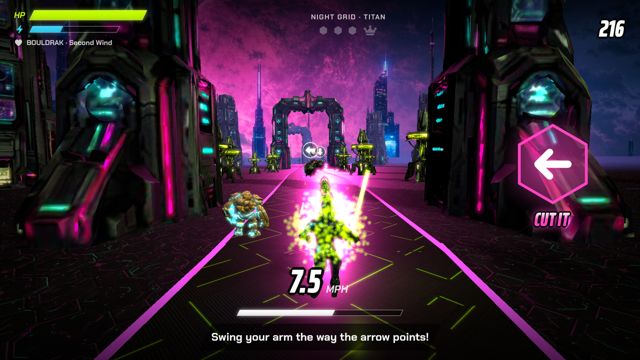
Your phone is the weight and the sword. Curls, squats and presses land hits on screen, and you swing the phone to slash. Fight and capture twelve creatures across four worlds, and AirPlay it to your TV. Free.
More exercises
Questions
What muscles does the dead bug work?
The dead bug trains the rectus abdominis and transverse abdominis to keep the spine still while the arms and legs move. It teaches the bracing used in squats and deadlifts with very little strain on the back.
Are dead bugs good for beginners?
Yes. They are one of the easiest core exercises to learn and can be scaled by changing how far you move the arms and legs.
Dead bug vs crunch?
Crunches bend the spine and train the rectus abdominis to flex. Dead bugs train the abs to stop the spine from moving. For bracing and back-friendly core strength, dead bugs are the better choice; crunches build the abs through motion.
What can I do instead of the dead bug?
Good substitutes: suitcase carry (dumbbell option, also trains the core, with dumbbells); plank (the same core brace movement; needs no equipment); side plank (the same core brace movement; needs no equipment); ab wheel rollout (the same core brace movement; needs an ab wheel (or a loaded barbell with round plates)).